CSIRO Publishing Books Journals About Us Shopping Cart You are here: Journals > Reproduction, Fertility and Development   
Reproduction, Fertility and Development
  Vertebrate Reproductive Science & Technology
 
Search
 
 
  Advanced Search
   

Journal Home
About the Journal
Editorial Board
Contacts
Content
Online Early
Current Issue
Just Accepted
All Issues
Special Issues
Research Fronts
Sample Issue
For Authors
General Information
Instructions to Authors
Submit Article
Open Access
For Referees
General Information
Review Article
For Subscribers
Subscription Prices
Customer Service
Print Publication Dates

 e-Alerts
Subscribe to our email Early Alert or RSS feeds for the latest journal papers.

 Connect with us
facebook   youtube


Reproduction, Fertility and Development publishes research and reviews on all aspects of vertebrate reproduction and developmental biology. More

Editor-in-Chief: Tony Flint 


The peer-reviewed and edited version of record published online before inclusion in an issue.


Published online 23 May 2012
Preovulatory changes in the angiotensin II system in bovine follicles 
Lucas C. Siqueira, Joabel T. dos Santos, Rogério Ferreira, Robson Souza dos Santos, Adelina M. dos Reis, João F. Oliveira, Joanne E. Fortune and Paulo Bayard Gonçalves

Ovulation is essential for reproduction. It is induced by a sequence of events that allows pregnancy to occur. The objective of this study was to understand where the hormone angiotensin II fits into this cascade of events. We conclude that angiotensin II is a key hormone for ovulation, acting as one of the earliest players of this process and eliciting increases in progesterone and prostaglandin secretion that are important for ovulation.


Published online 22 May 2012
Factors affecting reproductive performance of white-tailed deer subjected to fixed-time artificial insemination or natural mating 
Miguel Mellado, Claudia G. Orta, Eloy A. Lozano, Jose E. García, Francisco G. Veliz and Angeles de Santiago

In recent years the use of artificial insemination in white-tailed deer hunting ranches has markedly increased, because producers obtain higher prices with high-scoring bucks. The main objective of this study was to compare the efficacy of two insemination techniques in these animals. Results indicate that insemination of frozen–thawed semen via the cervix would be advantageous for use in white-tailed deer because it is easier, faster, more cost effective and less invasive than uterine insemination using surgery.


Published online 21 May 2012
Altered pregnancy outcomes in mice following treatment with the hyperglycaemia mimetic, glucosamine, during the periconception period 
Cheryl J. Schelbach, Rebecca L. Robker, Brenton D. Bennett, Ashley D. Gauld, Jeremy G. Thompson and Karen L. Kind

Exposure of oocytes to the hyperglycaemia mimetic, glucosamine, during in vitro maturation impairs embryo development. This study demonstrates that in vivo glucosamine administration during the periconception period also has adverse effects on embryonic and fetal development in mice, with the nature of the effects dependent on maternal age. These results suggest that further studies should consider a potential role for altered activity of the hexosamine biosynthesis pathway in contributing to the effects of periconceptional maternal hyperglycaemia.


Published online 18 May 2012
Expression patterns of activin, inhibin and follistatin variants in the adult male mouse reproductive tract suggest important roles in the epididymis and vas deferens 
Wendy R. Winnall, Hui Wu, Mai A. Sarraj, Peter A. W. Rogers, David M. de Kretser, Jane E. Girling and Mark P. Hedger

Activin is an important regulator of growth and immune responses. In the adult mouse, an inverse relationship was found between the production of activin and its binding protein follistatin in different regions of the male reproductive tract. This suggests that a reciprocal regulatory relationship involving activin and follistatin controls reproductive development, fertility and resistance to infectious disease in the male reproductive tract.


Published online 16 May 2012
Intra-uterine growth retardation affects birthweight and postnatal development in pigs, impairing muscle accretion, duodenal mucosa morphology and carcass traits 
A. L. N. Alvarenga, H. Chiarini-Garcia, P. C. Cardeal, L. P. Moreira, G. R. Foxcroft, D. O. Fontes and F. R. C. L. Almeida

Adequate uterine capacity and placental function are crucial for normal fetal growth and development in all species. This study investigated the occurrence of intra-uterine growth retardation in pigs of different birthweight ranges and its impact on their subsequent development. A lower percentage of muscle fibres and a higher percentage of connective tissue in the semitendinosus muscle, greater fibre density and a lower height of the duodenal mucosa was found in low-birthweight pigs. Hence, low-birthweight animals will lead to greater economic losses to swine producers, which raise questions about the economic reality of rearing low-birthweight pigs.


Published online 15 May 2012
Microarray analysis of mRNA from cumulus cells following in vivo or in vitro maturation of mouse cumulus–oocyte complexes 
Karen L. Kind, Kelly M. Banwell, Kathryn M. Gebhardt, Anne Macpherson, Ashley Gauld, Darryl L. Russell and Jeremy G. Thompson

In vitro maturation continues to produce oocytes of poorer competence than those mature in vivo, despite potential benefits for clinical infertility treatment and animal breeding. Cumulus cells are important to oocyte health, so we examined differences in the global gene expression of cumulus cells from in vivo- and in vitro-matured cumulus–oocyte complexes. Important gene expression differences were revealed that reflected differences in cumulus cell function. This included haemoglobin, which is found only within cumulus cells of in vivo-matured oocytes.

 
    | Supplementary Material (84 KB)


Published online 14 May 2012
Sex determination of porcine embryos using a new developed duplex polymerase chain reaction procedure based on the amplification of repetitive sequences 
Eva Torner, Eva Bussalleu, M. Dolors Briz, Alfonso Gutiérrez-Adán and Sergi Bonet

Sex determination and selection in the pig has a real impact in livestock breeding programmes. In the present study, we developed a new procedure based on the amplification of porcine-specific repetitive sequences for the rapid, reliable and efficient sex determination of porcine embryos and single cells. This is one of the few successful sexing methods in the pig and it might be used to deal with sex-dependent differences in porcine embryo physiology and manipulating sex ratios of offspring.


Published online 14 May 2012
Effect of duration of the growing phase of ovulatory follicles on oocyte competence in superstimulated cattle 
F. C. F. Dias, E. Costa, G. P. Adams, R. J. Mapletoft, J. Kastelic, O. Dochi and J. Singh

How can we improve oocyte competence after superstimulation? To answer this question, we tested two durations (4 and 7 days) of follicular growth with or without FSH support at end of the treatment (i.e. FSH starvation). The duration of follicular growth did not affect oocyte competence; however, FSH starvation compromised ovulation capability. Therefore, follicular age does not alter oocyte competence but follicles are dependent of gonadotropins to ovulate.


Published online 14 May 2012
Effect of feeding level on luteal function and progesterone concentration in the vena cava during early pregnancy in gilts 
R. Z. Athorn, P. Stott, E. G. Bouwman, T. Y. Chen, D. J. Kennaway and P. Langendijk

High feed levels are generally reported to reduce systemic progesterone in gilts, but conclusions about the effects on embryo survival are inconsistent. This paper shows that progesterone in utero–ovarian venous blood (local circulation), is pulsatile and much higher than systemic progesterone, and is increased on a higher feed level. This differential effect of feed level on local versus systemic circulation may explain the inconsistent findings between studies in regards to embryo survival.


Published online 11 May 2012
Status of human germ cell differentiation from pluripotent stem cells 
Renee A. Reijo Pera

There is much interest in recent years in the use of stem cells to study male and female germ cell development and eventually provide novel diagnostic and/or therapeutic applications. Here, the current state of the field of differentiation of germ cells is reviewed with a focus on the use of both human embryonic stem cells and induced pluripotent stem cells. Results to date suggest major hurdles that will need to be overcome if clinical applications are to be realised.


Published online 03 May 2012
Pretreatment of Asian elephant (Elephas maximus) spermatozoa with cholesterol-loaded cyclodextrins and glycerol addition at 4°C improves cryosurvival 
Wendy K. Kiso, Atsushi Asano, Alexander J. Travis, Dennis L. Schmitt, Janine L. Brown and Budhan S. Pukazhenthi

Poor survival of spermatozoa following freezing has been a major impediment towards establishing sperm banks (sperm repositories) for the endangered Asian elephant. The present study demonstrates that modification of Asian elephant sperm membranes using cholesterol-loaded cyclodextrins prior to freezing results in improved post-thaw sperm survival. This has major implications for species conservation by facilitating the establishment of a sperm bank and enhanced genetic management of the Asian elephant.


Published online 03 May 2012
ROCK inhibitor Y-27632 enhances the survivability of dissociated buffalo (Bubalus bubalis) embryonic stem cell-like cells 
Ruchi Sharma, Aman George, Manmohan S. Chauhan, Suresh Singla, Radhey S. Manik and Prabhat Palta

It is very difficult to maintain dissociated buffalo embryonic stem (ES) cells in culture. Supplementation of ES cell culture medium with Y-27632, a specific inhibitor of Rho kinase activity, was found to improve survival of buffalo ES cells under unfavourable conditions such as enzymatic dissociation to single cells or antibiotic-assisted selection after transfection, without compromising their pluripotency. It may help in developing better protocols for production of transgenic buffalo embryos.

 
    | Supplementary Material (13 KB)


Published online 26 April 2012
Effect of cooled storage on quality and DNA integrity of Asian elephant (Elephas maximus) spermatozoa 
P. Imrat, S. Mahasawangkul, J. Gosálvez, P. Suthanmapinanth, P. Sombutputorn, S. Jansittiwate, N. Thongtip, A. Pinyopummin, B. Colenbrander, W. V. Holt and T. A. E. Stout

Artificial insemination has considerable potential for the genetic management of captive Asian elephants. We demonstrate that a semen extender designed to prevent oxidative damage (Bullmax) preserves sperm DNA integrity better than a conventional extender (TEST), at 4°C or 15°C. Moreover, sperm DNA stability during incubation at 37°C proved to be a promising parameter for determining whether bulls or storage conditions were suitable for semen preservation.


Published online 24 April 2012
Unravelling the needs of singly in vitro-produced bovine embryos: from cumulus cell co-culture to semi-defined, oil-free culture conditions 
I. G. F. Goovaerts, J. L. M. R. Leroy, A. Langbeen, E. P. A. Jorssen, E. Bosmans and P. E. J. Bols

Individual bovine in vitro embryo production can serve many purposes but is not a routine procedure due to low embryo numbers and quality, compared to group production. Individual embryo culture was optimised by the establishment of an oil-free, cell-free, semi-defined protocol leading to high embryo rates. The elucidation of specific needs of an individually growing embryo further unravelled the interactions between an individually developing embryo and changing culture conditions.


Published online 24 April 2012
β-Nerve growth factor is a major component of alpaca seminal plasma and induces ovulation in female alpacas 
C. M. Kershaw-Young, X. Druart, J. Vaughan and W. M. C. Maxwell

Ovulation in camelids is induced by a previously unidentified seminal plasma protein. The aim of the present study was to identify the protein that induces ovulation and to investigate its potential to induce ovulation in camelids. β-Nerve growth factor (β-NGF) was abundant in alpaca seminal plasma and induced ovulation in four of five female alpacas. This is the first study to identify β-NGF as the ovulation-inducing factor in camelids and this finding may lead to new methods for the induction of ovulation in camelids.


Published online 24 April 2012
Impact of mouse pregnancy on thymic T lymphocyte subsets 
María E. Cortina, Silvana Litwin, María E. Roux and Silvia Miranda

In the present study, we analysed for the first time the impact of pregnancy on thymocyte subpopulations in a mouse model. The findings show that the maternal thymus is aware of the pregnancy status and responds to it by modifying the proportion of lymphocyte subsets according to the male component of the cross-breeding and the pregnancy outcome. These effects may participate in the maintenance of maternal–fetal tolerance.


Published online 24 April 2012
A superovulation protocol for the spiny mouse (Acomys cahirinus) 
Rachael Pasco, David K. Gardner, David W. Walker and Hayley Dickinson

The spiny mouse is a unique rodent, giving birth to 1–4 pups of precocial nature after a relatively long gestation (39 days). We have developed for the first time, a superovulation protocol for the spiny mouse which elicits a 5-fold increase in the natural ovulation rate of this species. This technique will allow us to compare spiny mouse embryo development to other species and assess its usefulness as a model of early human pregnancy.


Published online 24 April 2012
Growth factor expression pattern of homologous feeder layer for culturing buffalo embryonic stem cell-like cells 
Ruchi Sharma, Aman George, Nitin M. Kamble, Manmohan S. Chauhan, Suresh Singla, Radhey S. Manik and Prabhat Palta

Embryonic stem (ES) cells require many growth factors for their survival and maintenance, many of which come from feeder layers on which the ES cells are cultured. We showed that genes expressing ACTIVIN-A, TGF-β1, BMP-4, gremlin and FGF-2 are expressed and that ACTIVIN-A and TGF-β1 are secreted by a buffalo fetal fibroblast feeder layer. This suggests that feeder cells produce signalling molecules that may help in the self-renewal of buffalo ES cells.

 
    | Supplementary Material (51 KB)


Published online 10 April 2012
The effects of N-acetyl-L-cysteine supplementation on in vitro porcine oocyte maturation and subsequent fertilisation and embryonic development 
B. D. Whitaker, S. J. Casey and R. Taupier

In pigs, oxidative stress effects the success rate of IVF and embryo development in vitro, but the methods used to reduce stress are not completely understood yet. The current study indicated that supplementing oocytes prior to fertilisation with the antioxidant n-acetyl-l-cysteine improves IVF and embryo development success. These findings emphasise the importance of reducing oxidative stress using antioxidant supplementation during the in vitro production of pig oocytes.


Published online 10 April 2012
Caloric restriction, but not caloric loading, affects circulating fetal and maternal C-type natriuretic peptide concentrations in late ovine gestation 
B. A. McNeill, G. K. Barrell, M. J. Ridgway, M. P. Wellby, T. C. R. Prickett and E. A. Espiner

C-Type natriuretic peptide (CNP), a growth factor involved in fetal–placental growth and development, appears to be tightly regulated during ruminant pregnancy. In the present study of pregnant ewes, it was found that a period of fasting in late gestation increased CNP concentrations in maternal blood, likely reflecting increased production by the placenta. These results indicate that CNP production is acutely sensitive to dietary restriction during pregnancy and could thus be used to monitor nutrient supply to the fetus.


Published online 10 April 2012
Sequential generations of honey bee (Apis mellifera) queens produced using cryopreserved semen 
Brandon K. Hopkins, Charles Herr and Walter S. Sheppard

Cryopreservation of germplasm is widely used in breeding programs for many valuable agricultural species, although the honey bee remains a notable exception. In this study, honey bee semen was cryopreserved and used to inseminate sequential generations of queens. This work demonstrates the potential utility of cryopreservation in honey bee breeding programs, and in the conservation of unique genetic lines and threatened subspecies.


Published online 10 April 2012
Biosynthesis of oestrogen by the early equine embryo proper 
James I. Raeside, Heather L. Christie, Rudolf O. Waelchli and Keith J. Betteridge

Oestrogen production by the trophoblast of the early equine conceptus is important for the establishment of pregnancy but its specific role(s) has not been defined. Having shown that the embryo proper can metabolise oestrogens, the present study sought to determine whether it could also biosynthesise them. Positive findings in this investigation are of interest in relation to the well recognised role of oestrogens in blood cell and blood vessel development.


Published online 04 April 2012
Glucogenic supply increases oocyte developmental competence in sheep 
F. Berlinguer, A. Gonzalez-Bulnes, I. Contreras-Solis, A. Spezzigu, L. Torres-Rovira, S. Succu, S. Naitana and G. G. Leoni

The mechanisms causing the positive influence of very short-term nutritional supplementation on ovulation rate and prolificacy still need to be fully elucidated. The present study shows that glucogenic treatment in sheep modifies follicle and corpus luteum functionality, and improves oocyte quality. This finding is important for determining the intrinsic effect of high-energy diets on prolificacy and sets the basis for adapting nutritional supplementation in protocols for assisted reproduction.


Published online 30 March 2012
Embryo losses in sheep during short-term nutritional supplementation 
C. Viñoles, K. M. M. Glover, B. L. Paganoni, J. T. B. Milton and G. B. Martin

The number of lambs born is limited by ovulation rate and embryo mortality, both of which are limited by the level of nutrition. However, supplements that increase ovulation rate might also increase embryo mortality. We tested this hypothesis and found that feeding lupin grain for 2 weeks after mating increased embryo survival, but sudden withdrawal of the supplement increased embryo mortality.


Published online 30 March 2012
Evidence that hyperprolactinaemia is associated with ovarian acyclicity in female zoo African elephants 
T. L. Dow and J. L. Brown

African elephants in zoos are not reproducing well, and many exhibit abnormal reproductive cycles, due in part to a condition known to cause infertility in women: hyperprolactinaemia. This study compared rates of hyperprolactinaemia with data collected 7 years prior, and found that the incidence has increased from one-third to two-thirds of acyclic females. We conclude that creating a self-sustaining population of African elephants will not be possible until we identify causes of hyperprolactinaemia and develop therapies to treat this serious fertility problem.


Published online 30 March 2012
The postpartum endometrial inflammatory response: a normal physiological event with potential implications for bovine fertility 
Aspinas Chapwanya, Kieran G. Meade, Cathriona Foley, Fernando Narciandi, Alexander C. O. Evans, Michael L. Doherty, John J. Callanan and Cliona O'Farrelly

The relationship between the immune response and normal physiological processes such as involution in cattle is poorly understood. In this study we characterise the postpartum immune response at both a cellular and a molecular level in healthy cows. Our results show that postpartum inflammation and immune activation is not necessarily pathological and we speculate that dysregulation of this response determines susceptibility to uterine disease and sub-fertility in cattle.


Published online 20 March 2012
Determination of anti-Müllerian hormone concentrations in blood as a tool to select Holstein donor cows for embryo production: from the laboratory to the farm 
Charlène Rico, Laurence Drouilhet, Pascal Salvetti, Rozenn Dalbiès-Tran, Peggy Jarrier, Jean-Luc Touzé, Elodie Pillet, Claire Ponsart, Stéphane Fabre and Danielle Monniaux

High between-animal variability in ovarian responses to gonadotrophin treatment remains a major limit to the development of embryo biotechnologies in cattle. We show that anti-Müllerian hormone (AMH) endocrine concentrations are highly repeatable and tightly correlated with ovarian responses and embryo production in cows. We propose a prognostic method to discard low-responding individuals by the determination of AMH concentration in a single blood or plasma sample, taken from animals several months before their entry into embryo production protocols.


Published online 20 March 2012
Impaired mitochondrial function in murine oocytes is associated with controlled ovarian hyperstimulationand in vitro maturation 
Hongshan Ge, Theodore L. Tollner, Zhen Hu, Mimi Da, Xiaohe Li, HeQin Guan, Dan Shan, Jieqiang Lu, Changjiang Huang and Qiaoxiang Dong

The aim of this study was to determine whether controlled ovarian hyperstimulation (COH) and in vitro maturation (IVM), the two common clinical procedures in human IVF treatment, have an impact on mitochondrial status in oocytes. The results indicate that COH and IVM inhibit mitochondrial DNA replication and alter mitochondrial function. The mitochondrial damage may partly explain the low efficiency of IVF and high rate of embryonic loss associated with these clinical procedures.

 
    | Supplementary Material (1.4 MB)


Published online 20 March 2012
Identification and immunolocalisation of melatonin MT1 and MT2 receptors in Rasa Aragonesa ram spermatozoa 
Adriana Casao, Margarita Gallego, José Alfonso Abecia, Fernando Forcada, Rosaura Pérez-Pé, Teresa Muiño-Blanco and José Álvaro Cebrián-Pérez

The reproductive seasonality of sheep suggests that melatonin receptors may be present in ram spermatozoa. The aim of the present study was to confirm the presence of these receptors in ram spermatozoa. Four sperm subpopulations were identified on the basis of immunocytochemical labelling patterns for MT1 receptors, but there was only one pattern of labelling for MT2 receptors. The biochemical pathway triggered by these receptors and their function in terms of fertility are currently under investigation.


Published online 20 March 2012
Effect of asynchronous transfer on bovine embryonic development and relationship with early cycle uterine proteome profiles 
A. M. Ledgard, M. C. Berg, W. H. McMillan, G. Smolenski and A. J. Peterson

Establishment of pregnancy in cattle is most vulnerable during the first few weeks, when the embryo is reliant on the uterine protein environment for development. We demonstrate that the growth of conceptuses from asynchronous (Day 9) transfers is superior to that of AI controls. Proteomic profiling of uterine luminal flushings identified 10 proteins that increased in abundance at this time point. Defining and characterising the uterine proteins affecting embryo growth could lead to intervention strategies to improve pregnancy rate.


Published online 20 March 2012
Characterisation of an in vitro system to study maternal communication with spermatozoa 
Ahmed Aldarmahi, Sarah Elliott, Jean Russell, Thomas Klonisch, Sabine Hombach-Klonisch and Alireza Fazeli

No defined in vitro model currently exists to allow detailed and systematic investigation of maternal communications with gametes and embryo. Here we report establishment and characterisation of an in vitro model based on the interaction of boar spermatozoa with a porcine oviductal cell line. The simple in vitro assay system described here has the potential to be used in high-throughput genomic and proteomic approaches as well as being itself further developed towards an automated assay system for understanding maternal interactions with gametes and embryos.


Published online 20 March 2012
Association between melatonin receptor 1A (MTNR1A) gene polymorphism and the reproductive performance of Mediterranean Italian buffaloes 
S. Luridiana, M. C. Mura, M. Pazzola, M. Paludo, G. Cosso, M. L. Dettori, S. Bua, G. M. Vacca and V. Carcangiu

Mediterranean buffaloes reproduce principally in autumn, when nocturnal melatonin levels are high, although variability in the melatonin receptor 1A (MTNR1A) gene also allows for reproductive activity in spring. Thus, the aim of the present study was to investigate the relationship between reproductive performance and variability in the MTNR1A gene. Buffaloes with the T/T and C/T genotypes exhibited a shorter interval between the first and second calving, because reproductive activity occurred during days with a long photoperiod. The findings of the present study could allow the selection at birth of buffaloes that would also be able to reproduce in spring, with a consequent deseasonalisation of production.


Published online 20 March 2012
Neonatal immunisation against a novel gonadotrophin-releasing hormone construct delays the onset of gonadal growth and puberty in bull calves 
J. H. Hernandez-Medrano, R. W. Williams, A. R. Peters, D. Hannant, B. K. Campbell and R. Webb

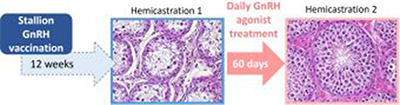
Immunocastration suppresses reproductive function, making it an attractive tool to improve the management of gonad-intact animals and an alternative to surgical castration. In the present study, neonatal immunocastration in bulls with a novel vaccine caused temporary endocrine but long-term disruption of testicular development, delaying puberty by 8 weeks. This supports the hypothesis of a developmental window during testicular development, such that disturbance of the endocrine drive to the gonads results in long-term impairment of gonadal function.


Published online 14 March 2012
Effects of progesterone and RU486 on the development and expression of adult male sexual behaviour and gene expression in the amygdala and preoptic area of the hypothalamus 
A. B. Breton, K. J. Austin, M. G. Leedy and B. M. Alexander

At-risk pregnancies are commonly treated with progesterone; however, the potential effects of supraphysiological concentrations of progesterone on the developing male are not known. Although sexual interest was not influenced in male rats treated neonatally with progesterone in the present study, these rats exhibited a reduction in copulatory behaviour and ejaculation. This suggests that the development of male sexual behaviour can be influenced by the prenatal environment, including by hormones that are prescribed for at-risk pregnancies.


Published online 14 March 2012
Fetal growth restriction in hypothyroidism is associated with changes in proliferative activity, apoptosis and vascularisation of the placenta 
Juneo F. Silva, Paula N. Vidigal, Daniele D. Galvão, Jankerle N. Boeloni, Philipe Pimenta Nunes, Natália M. Ocarino, Ernane F. Nascimento and Rogéria Serakides

Thyroid hormones are essential for fetal development because they act directly on the placenta. However, the role of the placenta in the complexity of maintaining a pregnancy and in impaired fetal development arising out of hypothyroidism is unknown. The objective of this study was to evaluate fetal development, placental morphology, vascularisation and the rate of proliferation and cell death of the placenta in rats with hypothyroidism. We observed that hypothyroidism impairs fetal development by affecting all layers of the placenta. It interferes with placental vascularisation, reduces the proliferation and cellularity and increases cell death of the placenta. These results allow us a better understanding of the pathogenesis of placental alterations and fetal growth restriction that occurs in hypothyroidism, which may contribute to more appropriate therapeutic interventions.


Published online 09 March 2012
Different protein expression patterns associated with polycystic ovary syndrome in human follicular fluid during controlled ovarian hyperstimulation 
Guo Dai and Guangxiu Lu

To better explore the pathogenesis of polycystic ovary syndrome (PCOS) disease so as to find a better treatment, we performed an initial proteomic study. Thirty-two protein spots were shown to be significantly differentially expressed between PCOS and normal follicular fluids, of which 20 unique proteins were identified to be associated with cellular metabolism and physiological processes. These results increase our understanding of PCOS and the identified genes may serve as candidate biomarkers to develop diagnostic and therapeutic tools.


Published online 08 March 2012
The fibroblast growth factor family: involvement in the regulation of folliculogenesis 
Roberta Nogueira Chaves, Maria Helena Tavares de Matos, José Buratini and José Ricardo de Figueiredo

Paracrine cell signalling is believed to be important for ovarian follicle development, and a role for some members of the ?broblast growth factor (FGF) family has been suggested. This work reviews the main controlling mechanisms of preantral and antral follicle development, with the main focus on the regulation of FGF family members, in particular FGF-2. These data confirm the importance of the FGF family in mammalian reproduction control.


Published online 02 March 2012
Undernutrition during early follicle development has irreversible effects on ovulation rate and embryos 
T. Y. Chen, P. Stott, R. Z. Athorn, E. G. Bouwman and P. Langendijk

In female pigs, nutrition during both early and late antral follicle development affects ovulation rate and the number of embryos, but the interaction has not been properly studied. The current study indicated that undernutrition during early antral follicle development has irreversible effects on subsequent reproduction. The finding emphasises the importance of adequate nutrition during late lactation in sows and one to three weeks before mating in gilts.


Published online 24 February 2012
A rodent model of low- to moderate-dose ethanol consumption during pregnancy: patterns of ethanol consumption and effects on fetal and offspring growth 
Megan E. Probyn, Simone Zanini, Leigh C. Ward, John F. Bertram and Karen M. Moritz

Large amounts of alcohol consumption during pregnancy can affect the health of the fetus and subsequent offspring. But do small amounts of fetal alcohol exposure have similar effects? We have developed a model of chronic low-dose maternal alcohol consumption in the rat and found that this restricts fetal growth and slows growth in adult male offspring. We will now use this model to determine whether low amounts of fetal alcohol exposure result in adult disease states, such as hypertension or diabetes.


Published online 24 February 2012
Development of spermatogenesis in captive-bred Spix 
P. R. S. Santos, M. F. Oliveira, A. R. Silva and A. C. Assis Neto

This is the first study to address the male reproductive biology of Spix’s Yellow-toothed Cavy (Galea spixii). The aim of this study was to evaluate the phases of sexual development and spermatogenesis in this specie. It may be classified into the following phases: from birth to the age of 15 days (immature); 30 days of age (pre-pubertal); 45 to 105 days of age (pubertal); and 120 and 150 days of age (post-pubertal).


Published online 22 February 2012
Effect of tubal explants and their secretions on bovine spermatozoa: modulation of ROS production and DNA damage 
Patricia Navarrete Gómez, Juan G. Alvarez, Jennie Risopatrón, Fernando Romero and Raúl Sánchez

The oviduct protected the sperm DNA integrity for adequate embryo development. This study showed an increase in spermatozoa with DNA damage in co-incubation with tubal explants from the ampullar region but not from the isthmal region. The isthmal region is protected against sperm DNA damage induced by oxidant molecules, as it constitutes a sperm reservoir necessary for normal fecundation.


Published online 10 February 2012
Expression of angiogenic factors in placenta of stressed rats 
Isis Paloppi Corrêa, Rodrigo Ruano, Nilton Hideto Takiuti, Rossana Pulcinelli Vieira Francisco, Estela Bevilacqua and Marcelo Zugaib

Stress is a consequence of modern life and can also be correlated with many perinatal and postnatal diseases. Herein, we analyse the influence of stress in maternal, placental and fetal weight of pregnant rats, placental morphology and expression of vascular-associated factors. Our results show relevant differences in the mother’s blood pressure, placental structure and offspring weight highlighting the complex and multifactorial biological processes, which can be associated with stress and contribute to understanding the importance of stress in pregnancy disorders.


Published online 10 February 2012
Melatonin effects on Fundulus heteroclitus reproduction 
Francesco Lombardo, Elisabetta Giorgini, Giorgia Gioacchini, Francesca Maradonna, Paolo Ferraris and Oliana Carnevali

Most organisms have developed a biological clock, synchronised with the surrounding environment, located in the pineal gland that acts as a photo-transducer conveying the environmental photic information to the brain via the release of melatonin, a powerful multifunctional hormone. This study demonstrates the ability of melatonin improving killifish' breeding efficiency playing an important role in the complex network of signals that centrally/locally control reproduction overall. The results obtained may be used in the reproductive biotechnologies of farmed species.


Published online 08 February 2012
Seasonal variation in the ovarian function of sows 
M. J. Bertoldo, P. K. Holyoake, G. Evans and C. G. Grupen

The seasonal infertility period in sows is the most economically important reproductive problem for pig producers. Significantly, there is an increase in pregnancy loss during this time. This review summarises recent advancements made in our understanding of the mechanisms that contribute to this reduced fertility. With emphasis on seasonal variation in ovarian function and its influence on subsequent fertility, there is clear evidence that reduced oocyte developmental competence contributes to seasonal infertility. With this new information in mind, researchers and producers can now devise strategies to overcome the seasonal infertility phenomenon.


Published online 07 February 2012
Uterine distension differentially affects remodelling and distensibility of the uterine vasculature in non-pregnant rats 
George Osol, Carolyn Barron and Maurizio Mandalà

Although the uterine circulation must enlarge considerably during pregnancy to ensure normal fetal development, the mechanisms responsible are unknown. We developed a new surgical procedure to determine whether uterine stretch alone can stimulate vascular growth, and found that it did indeed induce both lengthening and widening of uterine vessels. This discovery opens a new avenue of investigation into the underlying molecular signals and pathways that regulate uterine vascular enlargement in normal versus diseased (e.g. intrauterine growth restriction, preeclampsia) pregnancy.


Published online 07 February 2012
Cortical reaction as an egg quality indicator in artificial reproduction of pikeperch, Sander lucioperca 
Daniel Żarski, Sławomir Krejszeff, Katarzyna Palińska, Katarzyna Targońska, Krzysztof Kupren, Pascal Fontaine, Patrick Kestemont and Dariusz Kucharczyk

Evaluation of egg quality is one of the main bottlenecks in aquaculture where high-quality eggs are required for effective commercial production and scientific research aimed at improvement of breeding procedures. We investigated the course of the cortical reaction in pikeperch eggs where noticeable and violent deformation of chorion could be observed shortly (3–5 min) after their activation. On the basis of the results obtained we have established a protocol for egg quality evaluation in this species according to the deformation rate of eggs following activation with water.


Published online 02 February 2012
Parental diet-induced obesity leads to retarded early mouse embryo development and altered carbohydrate utilisation by the blastocyst 
Natalie K. Binder, Megan Mitchell and David K. Gardner

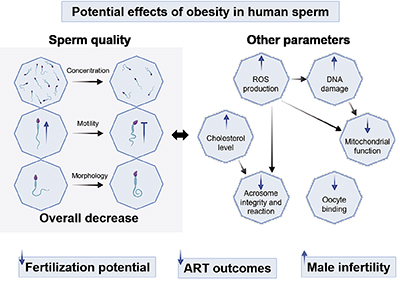
The negative consequences of obesity on reproduction are increasingly apparent and are of great concern given the incidence of obesity among people of reproductive age. It is not understood how obesity impacts fertility; consequently we investigated the effect of obesity on early embryo quality prior to implantation in the present study. Both male and female obesity compromised embryo development and quality, which may account for the decrease in reproductive fitness.


Published online 31 January 2012
IVMBIX-01294, an inhibitor of the histone methyltransferase EHMT2, disrupts histone H3 lysine 9 (H3K9) dimethylation in the cleavage-stage porcine embryo 
Ki-Eun Park, Christine M. Johnson and Ryan A. Cabot

Chromatin structure is globally remodelled during embryo development and perturbations in chromatin structure are associated with aberrant embryo development. We found that inhibition of euchromatic histone-lysine N-methyltransferase 2 (EHMT2), a histone methyltransferase, leads to changes in global patterns of histone methylation and compromises embryo development. Our results suggest that even transient alterations in histone methylation patterns can have lasting effects on embryo development, highlighting the importance of understanding how chromatin structure is controlled during embryo development.


Published online 27 January 2012
Transcriptional response of the bovine endometrium and embryo to endometrial polymorphonuclear neutrophil infiltration as an indicator of subclinical inflammation of the uterine environment 
Michael Hoelker, Dessie Salilew-Wondim, Marc Drillich, Grosse-Brinkhaus Christine, Nasser Ghanem, Leopold Goetze, Dawit Tesfaye, Karl Schellander and Wolfgang Heuwieser

Several studies demonstrated a negative effect of subclinical endometritis on bovine reproductive performance, the mechanisms, however, remained unclear so far. Therefore our study tested the hypothesis that subclinical endometritis alters the endometrial or embryonic gene expression profile. As a result, the present data demonstrate that bovine subclinical endometritis alters the endometrial transcriptome dynamic within the oestrous cycle and results in distinct changes of the endometrial and embryonic gene expression profile.


Published online 10 January 2012
Regulation of XFGF8 gene expression through SRY (sex-determining region Y)-box 2 in developing Xenopus embryos 
Yong Hwan Kim, Jee Yoon Shin, Wonho Na, Jungho Kim, Bong-Gun Ju and Won-Sun Kim

Fibroblast growth factor (FGF) 8 functions as a mitogen and morphogen in a variety of cell types in vertebrate developmental processes. In the present study, we found that Xenopus SRY (sex-determining region Y)-box 2 acts as a transcription factor via direct interaction with the upstream region of the Xenopus FGF8 (XFGF8) gene in developing Xenopus embryos. Thus, our results provide an additional mechanism of XFGF8 gene regulation in early Xenopus development.

 
    | Supplementary Material (180 KB)


Reproduction, Fertility and Development
Volume 24 Number 4 2012

 
Subscriber Login
Username:
Password:  


Role of male novelty and familiarity in male-induced LH secretion in female sheep 
T. Jorre de St Jorre, P. A. R. Hawken and G. B. Martin
pp. 523-530

It has long been thought that ewes need to be preconditioned by a period of complete separation from all rams before ram pheromones can induce ovulation. We showed that it is not separation but ram ‘novelty’ that is important. Separation for only a month enables ewes to respond to once-familiar rams, but induction of the full cascade of events leading to ovulation appears to be less successful.


Quantification of kinetic changes in protein tyrosine phosphorylation and cytosolic Ca2+ concentration in boar spermatozoa during cryopreservation 
A. Kumaresan, A. P. Siqueira, M. S. Hossain, A. Johannisson, I. Eriksson, M. Wallgren and A. S. Bergqvist
pp. 531-542

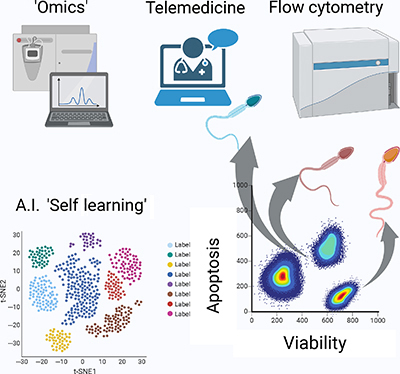
The dynamics of protein tyrosine phosphorylation (PTP) in live spermatozoa during cryopreservation are not known. Using flow cytometry, we assessed the PTP in boar spermatozoa and the results provide the first quantitative evidence of dynamic changes in the subpopulation of boar spermatozoa undergoing PTP during cryopreservation. These findings may help in developing cryopreservation protocols for boar spermatozoa with better post-thaw function.


The oviducal protein, heat-shock 70-kDa protein 8, improves the long-term survival of ram spermatozoa during storage at 17°C in a commercial extender 
R. E. Lloyd, A. Fazeli, P. F. Watson and W. V. Holt
pp. 543-549

Females of many species store fertile spermatozoa in their oviducts for a long-time. We have identified a component of the oviduct: HSPA8 that when added to ram spermatozoa prolongs its shelf-life at ambient temperatures, meaning no ram need travel to meet his ewe to produce lambs in the future. This finding is likely to be of interest to agricultural ministries globally who seek to reduce the transport of farm animals to control disease outbreaks.


Temporal candidate gene expression in the sow placenta and embryo during early gestation and effect of maternal Progenos supplementation on embryonic and placental development 
S. Novak, F. Paradis, J. L. Patterson, J. A. Pasternak, K. Oxtoby, H. S. Moore, M. Hahn, M. K. Dyck, W. T. Dixon and G. R. Foxcroft
pp. 550-558

Nutritional state of the dam critically affects embryonic development and has lasting consequences for growth and lifetime health outcomes. Mechanisms controlling growth and differentiation of embryonic tissues in utero may be directly affected , or placental development may be primarily affected and indirectly limit nutrient availability to the embryo. Results of the present study are consistent with proposed benefits of feeding a specific nutrient supplement (l-arginine) during early pregnancy in the sow on placental vascularization and embryonic development.

 
    | Supplementary Material (19 KB)


Could zinc prevent reproductive alterations caused by cigarette smoke in male rats? 
Patrícia Carvalho Garcia, Renata Carolina Piffer, Daniela Cristina Cecatto Gerardin, Michele Kimie Sankako, Rodrigo Otávio Alves de Lima and Oduvaldo Câmara Marques Pereira
pp. 559-567

A large group of men worldwide smoke cigarettes, which may adversely affect the health of their spermatozoa. This study was conducted in order to evaluate if zinc prevents damage of spermatozoa of rats exposed to cigarette smoke. The results showed that testosterone concentration, percentage of normal morphology, motility and DNA oxidative damage of spermatozoa were restored by zinc treatment.


Zona pellucida birefringence correlates with developmental capacity of bovine oocytes classified by maturational environment, COC morphology and G6PDH activity 
Eva Held, Eva-Maria Mertens, Abdollah Mohammadi-Sangcheshmeh, Dessie Salilew-Wondim, Urban Besenfelder, Vitezslav Havlicek, Andreas Herrler, Dawit Tesfaye, Karl Schellander and Michael Hölker
pp. 568-579

Developmental competence of in vitro-produced bovine embryos is still compromised perhaps due to imperfect oocyte maturation. Therefore we analysed the structural changes during in vitro maturation of the bovine zona pellucida by polarisation light microscopy and identified a typical decrease in zona birefringence during maturation, which correlates with developmental competence. Thus, zona pellucida birefringence measurement is a new tool to assess correctness of in vitro maturation and developmental competence.


Expression, purification and structural analysis of recombinant rBdh-2His6, a spermadhesin from buck (Capra hircus) seminal plasma 
Antônia Sâmia F. Nascimento, João B. Cajazeiras, Kyria S. Nascimento, Sara Monalisa S. Nogueira, Bruno L. Sousa, Edson H. Teixeira, Luciana M. Melo, Rodrigo Maranguape S. da Cunha, André Luiz C. Silva and Benildo S. Cavada
pp. 580-587

Spermadhesins are thought to play a prominent role in different aspects of animal fertilisation. The low purification efficiency and the incomplete characterisation of buck spermadhesins, as well as the multiplicity of their biotechnological applications, prompted us to establish an effective expression system to specifically produce the recombinant bodhesin Bdh-2 and to provide a technique for subsequent structural and physiological studies.


Aberrant expression of E-cadherin and β-catenin proteins in placenta of bovine embryos derived from somatic cell nuclear transfer 
H. R. Kohan-Ghadr, L. C. Smith, D. R. Arnold, B. D. Murphy and R. C. Lefebvre
pp. 588-598

Little is known about the molecular mechanisms that regulate bovine trophoblast development. In current study, we demonstrated that impaired expression of two key regulatory proteins, E-cadherin and β-catenin along with defective β-catenin signaling activation occurs in trophoblast derived from bovine somatic nuclear transfer (SCNT). These deficiencies during embryo attachment could explain the insufficient placentation in the SCNT-derived fetus.


Hormonal induction of spermatozoa from amphibians with Rana temporaria and Bufo bufo as anuran models 
V. K. Uteshev, N. V. Shishova, S. A. Kaurova, R. K. Browne and E. N. Gakhova
pp. 599-607

Hormonal induction is used to sample sperm from amphibians and fish in conservation breeding programs and aquaculture to be used fresh, or through cryopreservation to perpetuate genetic variation. We achieved improved sperm yield through comparing several hormones for induction, and provided new physiological insights to amphibian reproduction. These results will lower the costs and improve the efficiency of reproduction technologies for amphibians and fish.


Oocyte quality determines bovine embryo development after fertilisation with hydrogen peroxide-stressed spermatozoa 
Mohammad Bozlur Rahman, Leen Vandaele, Tom Rijsselaere, Mahdi Zhandi, Dominiek Maes, Mohammed Shamsuddin and Ann Van Soom
pp. 608-618

Oxidative stress is, in general, pernicious for cells, but specific stressors, such as hydrogen peroxide, may have a beneficial effect on cell function, depending on the concentration used. In this study we exposed bovine sperm cells to different levels of hydrogen peroxide before fertilisation and found that spermatozoa exposed to sublethal levels of hydrogen peroxide can produce more blastocysts of better quality, depending on the diameter of the fertilised oocyte. This implies that stressed spermatozoa may improve subsequent embryo development in combination with careful selection of oocytes.


Glycocalyx characterisation and glycoprotein expression of Sus domesticus epididymal sperm surface samples 
Anna Fàbrega, Marta Puigmulé, Jean-Louis Dacheux, Sergi Bonet and Elisabeth Pinart
pp. 619-630

A boar epididymal sperm glycocalyx approach was used to correlate the degree of maturation of ejaculated spermatozoa with plasma membrane glycocalyx component changes. Complementary qualitative and quantitative procedures were performed in boar epididymal spermatozoa throughout the epididymis to identify specific molecular modifications of carbohydrate residues (intensity, location and proteomic changes). The present study provides new insights correlating the glycocalyx changes with the degree of sperm maturation.


Effects of a non-steroidal aromatase inhibitor on ovarian function in cattle 
M. Jimena Yapura, Reuben J. Mapletoft, Jaswant Singh, Roger Pierson, Jonathan Naile, John P. Giesy, Hong Chang, Eric Higley, Markus Hecker and Gregg P. Adams
pp. 631-640

Safe, steroid-free methods to control ovarian function in food-producing animals are needed. Aromatase inhibitors prevent the body from producing its own oestrogen and they have marked effects on the reproductive physiology of heifers. Results from the present study provide impetus for the development of an aromatase inhibitor-based protocol to control ovarian function in cattle.


These articles have been peer reviewed and accepted for publication. They are still in production and have not been edited, so may differ from the final published form.

    RD12091  Accepted 22 May 2012
    The rat oocyte synthesizes melatonin
    Kenichiro Sakaguchi, Masanoori Itoh, Noriyuki Takahashi, Wataru Tarumi, Bunpei Ishizuka
    Abstract


    RD11240  Accepted 18 May 2012
    The Solea senegalensis vasa transcripts: molecular characterization, tissue distribution and developmental expression profiles
    Tiziana Pacchiarini, Ismael Cross, Ricardo Leite, Paulo Gavaia, Juan B. Ortiz-Delgado, Pedro Pousão-Ferreira, Laureana Rebordinos, Carmen Sarasquete, Elsa Cabrita
    Abstract


    RD11271  Accepted 18 May 2012
    Exogenous long-term treatment with estradiol-17β alters innervation pattern in the pig ovary
    Marlena Koszykowska, JarosÅ‚aw CaÅ‚ka, Aleksandra Nidzgorska, Barbara Jana
    Abstract


    RD12020  Accepted 17 May 2012
    Steroidogenesis in sheep pregnancy with intrauterine growth retardation by high-altitude hypoxia: effects of maternal altitudinal status and antioxidant treatment
    Víctor Parraguez, Bessie Urquieta, Mónica De los Reyes, Antonio Gonzalez-Bulnes, Susana Astiz, Andrés Muñoz
    Abstract


    RD12075  Accepted 17 May 2012
    Sperm capacitation combined with removal of sperm acrosome and plasma membrane enhances paternal nucleus remodeling and early development of bovine androgenetic embryos
    Yao Xiao, Hualin Zhang, Sibtain Ahmad, Liya Bai, Xiaomin Wang, Lijun Huo, Xin Zhang, Wengong Li, Xiang Li, Liguo Yang
    Abstract


    RD12011  Accepted 15 May 2012
    Actin nucleator Arp2/3 complex is essential for mouse preimplantation embryo development
    Shao-Chen Sun, Qing-Ling Wang, Wei-Wei Gao, Yong-Nan Xu, Honglin Liu, Xiang-Shun Cui, Nam-Hyung Kim
    Abstract


    RD12124  Accepted 07 May 2012
    Microtubule organization, pronuclear formation and embryonic development of mouse oocytes after intracytoplasmic sperm injection or parthenogenetic activation and then slow-freezing with 1,2-propanediol
    Dun-Gao Li, Yan Zhu, Feng-Ying Xing, Shan-Gang Li, Xue-Jin Chen, Man-Xi Jiang
    Abstract


    RD11282  Accepted 05 May 2012
    Morphology, sex ratio, and gene expression of Day 14 in vivo and in vitro bovine embryos
    Grazieli Machado, Allice Rodrigues, Monique Guardieiro, Michele Bastos, José Carvalho, Carolina Lucci, Tiago Diesel, Roberto Sartori, Rodolfo Rumpf, Maurício Franco, Margot Dode
    Abstract


    RD11262  Accepted 04 May 2012
    Supplementation of culture medium with L-carnitine improves development and cryotolerance of bovine embryos produced in vitro
    Toshikiyo Takahashi, Yasushi Inaba, Tamas Somfai, Masarhio Kaneda, Masaya Geshi, Takashi Nagai, Noboru Manabe
    Abstract


    RD12127  Accepted 20 April 2012
    Spermatogenesis is seasonal in the “large hairy armadillo” Chaetophractus villosus (Dasypodidae, Xenarthra, Mammalia)
    Juan Luaces, Luis Rossi, Valeria Merico, Maurizio Zuccotti, Carlo Redi, Alberto Solari, Maria Merani, Silvia Garagna
    Abstract


    RD12029  Accepted 19 April 2012
    Structure, histochemistry and ultrastructure of the male reproductive accessory glands in the Neotropical flat-faced fruit-eating bat, Artibeus planirostris (Chiroptera: Phyllostomidae)
    Cintia Puga, Mateus Beguelini, Ana Carolina Negrin, Caroline Christante, Eliana Morielle-Versute, Patricia Vilamaior, Sebastião Taboga
    Abstract


    RD11228  Accepted 09 April 2012
    Daily prolactin pulse inhibits the corpus luteum during lactational quiescence in the marsupial, Macropus eugenii
    Lyn Hinds, Cecil Tyndale-Biscoe
    Abstract


    RD11241  Accepted 09 April 2012
    Evidence for coss-talk between luteinising hormone receptor and luteinising hormone during implantation in mice*
    Virginie Gridelet, Marie Tsampalas, Sarah Berndt, Marie-Thérèse Hagelstein, Chantal Renard, Valérie Conrath, Fabien Ectors, Fabian Hugé, C Munaut, Jean-Michel Foidart, Vincent Geenen, Sophie Perrier d'Hauterive
    Abstract


    RD12024  Accepted 05 April 2012
    Genotype and fetal size affect maternal-fetal amino acid status and fetal endocrinology in Large White x Landrace and Meishan pigs
    Cheryl Ashworth, Margaret Nwagwu, Harry McArdle
    Abstract


    RD12022  Accepted 30 January 2012
    Development and Evaluation of Electroejaculation Techniques in the Tasmanian Devil (Sarcophilus harrisii)
    Tamara Keeley, Merrilee Harris, Paul McGreevy, Donald Hudson, Justine O Brien
    Abstract


The Most Read ranking is based on the number of downloads from the CSIRO PUBLISHING website over the last three years. Usage statistics are updated daily.

Rank Paper Details
1. Published 26 November 1997
In vivo effects of epidermal growth factor on epidermal pattern formation and hair follicle initiation in the marsupial bandicoot Isoodon macrourus

David L. Adelson, David E. Hollis, James C. Merchant and Bronwyn A. Kelley

2. Published 6 December 2011
IETS 2012 abstracts


3. Published 16 March 2011
Negative impact of endocrine-disrupting compounds on human reproductive health

Damjan Balabanič, Marjan Rupnik and Aleksandra Krivograd Klemenčič

4. Published 7 December 2010
Recent insights into oocyte–follicle cell interactions provide opportunities for the development of new approaches to in vitro maturation

Robert B. Gilchrist

5. Published 16 March 2011
Regulation of folliculogenesis and the determination of ovulation rate in ruminants

R. J. Scaramuzzi, D. T. Baird, B. K. Campbell, M.-A. Driancourt, J. Dupont, J. E. Fortune, R. B. Gilchrist, G. B. Martin, K. P. McNatty, A. S. McNeilly, P. Monget, D. Monniaux, C. Viñoles and R. Webb

6. Published 3 June 2011
Immunological mechanisms to establish embryo tolerance in early bovine pregnancy

A. E. Groebner, K. Schulke, J. C. Schefold, G. Fusch, F. Sinowatz, H. D. Reichenbach, E. Wolf, H. H. D. Meyer and S. E. Ulbrich

7. Published 12 October 2011
Embryo–maternal communication: signalling before and during placentation in cattle and pig

Esben Østrup, Poul Hyttel and Olga Østrup

8. Published 15 September 2006
Society for Reproductive Biology Founders' Lecture 2006 Life in the pouch: womb with a view

Marilyn B. Renfree

9. Published 7 April 1997
Neither human nor natural: ethics and feral animals

Peter Singer

10. Published 12 October 2011
Maternal recognition of pregnancy in the horse: a mystery still to be solved

C. Klein and M. H. T. Troedsson

11. Published 7 December 2010
177 GENE EXPRESSION PROFILES OF IN VITRO- AND IN VIVO-DERIVED BOVINE EMBRYOS

D. Aktoprakligil Aksu, C. Agca, S. Aksu, T. Akkoc, A. Tas Caputcu, S. H. Kizil, H. Sagirkaya, H. Bagis and Y. Agca

12. Published 3 May 2011
The early embryo response to intracellular reactive oxygen species is developmentally regulated

Nathan T. Bain, Pavneesh Madan and Dean H. Betts

13. Published 9 March 2012
High levels of mitochondrial heteroplasmy modify the development of ovine–bovine interspecies nuclear transferred embryos

Song Hua, Chenglong Lu, Yakun Song, Ruizhe Li, Xu Liu, Fusheng Quan, Yongsheng Wang, Jun Liu, Feng Su and Yong Zhang

14. Published 6 December 2011
The role of fatty acids in oocyte and early embryo development

Paul J. McKeegan and Roger G. Sturmey

15. Published 7 December 2010
Follicular somatic cell factors and follicle development

J. Buratini and C. A. Price

16. Published 6 December 2011
Intrafollicular conditions as a major link between maternal metabolism and oocyte quality: a focus on dairy cow fertility

J. L. M. R. Leroy, D. Rizos, R. Sturmey, P. Bossaert, A. Gutierrez-Adan, V. Van Hoeck, S. Valckx and P. E. J. Bols

17. Published 8 December 2009
New approaches to superovulation in the cow

Gabriel A. Bó, Daniel Carballo Guerrero, Andrés Tríbulo, Humberto Tríbulo, Ricardo Tríbulo, Dragan Rogan and Reuben J. Mapletoft

18. Published 19 August 2011
Enhancement of lipid metabolism with L-carnitine during in vitro maturation improves nuclear maturation and cleavage ability of follicular porcine oocytes

Tamás Somfai, Masahiro Kaneda, Satoshi Akagi, Shinya Watanabe, Seiki Haraguchi, Eiji Mizutani, Thanh Quang Dang-Nguyen, Masaya Geshi, Kazuhiro Kikuchi and Takashi Nagai

19. Published 2 August 2007
Transgenic farm animals: an update

Heiner Niemann and Wilfried A. Kues

20. Published 27 August 2010
Survival and apoptosis rates after vitrification in cryotop devices of in vitro-produced calf and cow blastocysts at different developmental stages

Roser Morató, Dolors Izquierdo, Maria Teresa Paramio and Teresa Mogas

21. Published 3 May 2011
Temporal effects of exogenous oocyte-secreted factors on bovine oocyte developmental competence during IVM

Tamer S. Hussein, Melanie L. Sutton-McDowall, Robert B. Gilchrist and Jeremy G. Thompson

22. Published 7 December 2010
Perspectives on transgenic livestock in agriculture and biomedicine: an update

Jorge A. Piedrahita and Natasha Olby

23. Published 7 December 2010
In vitro and in vivo regulation of follicular formation and activation in cattle

Joanne E. Fortune, Ming Y. Yang and Wanzirai Muruvi

24. Published 7 December 2010
Does size matter in females? An overview of the impact of the high variation in the ovarian reserve on ovarian function and fertility, utility of anti-Müllerian hormone as a diagnostic marker for fertility and causes of variation in the ovarian reserve in cattle

J. J. Ireland, G. W. Smith, D. Scheetz, F. Jimenez-Krassel, J. K. Folger, J. L. H. Ireland, F. Mossa, P. Lonergan and A. C. O. Evans

25. Published 12 December 2006
Pregnancy recognition and conceptus implantation in domestic ruminants: roles of progesterone, interferons and endogenous retroviruses

Thomas E. Spencer, Greg A. Johnson, Fuller W. Bazer, Robert C. Burghardt and Massimo Palmarini

26. Published 16 March 2011
Effect of maternal age on mitochondrial DNA copy number, ATP content and IVF outcome of bovine oocytes

Hisataka Iwata, Hiroya Goto, Hiroshi Tanaka, Yosuke Sakaguchi, Koji Kimura, Takehito Kuwayama and Yashunori Monji

27. Published 19 August 2011
SIRT6 in mouse spermatogenesis is modulated by diet-induced obesity

Nicole O. Palmer, Tod Fullston, Megan Mitchell, Brian P. Setchell and Michelle Lane

28. Published 6 December 2011
Growth hormone regulation of follicular growth

Matthew C. Lucy

29. Published 12 October 2011
Fertilisation in the horse and paracrine signalling in the oviduct

Ghylène Goudet

30. Published 6 December 2011
139 TRANSCRIPTOME ANALYSIS OF SINGLE BOVINE EMBRYOS BY RNA-Seq

P. J. Ross and J. L. Chitwood

31. Published 8 December 2009
Factors affecting fertilisation and early embryo quality in single- and superovulated dairy cattle

Roberto Sartori, Michele R. Bastos and Milo C. Wiltbank

32. Published 6 December 2011
Evidence for similar changes in offspring phenotype following either maternal undernutrition or overnutrition: potential impact on fetal epigenetic mechanisms

S. P. Ford and N. M. Long

33. Published 12 December 2006
Stem cells and lineage development in the mammalian blastocyst

Janet Rossant

34. Published 6 December 2011
134 TRANSCRIPTOME PROFILE OF BOVINE BLASTOCYSTS DERIVED FROM ALTERNATIVE IN VIVO AND IN VITRO CULTURE CONDITIONS AT SPECIFIC PHASES OF EARLY EMBRYONIC DEVELOPMENT

A. Gad, U. Besenfelder, V. Havlicek, M. Hölker, M. U. Cinar, F. Rings, I. Dufort, M. A. Sirard, K. Schellander and D. Tesfaye

35. Published 6 December 2011
Embryo death in cattle: an update

M. G. Diskin, M. H. Parr and D. G. Morris

36. Published 6 December 2011
Adaptive responses of the embryo to maternal diet and consequences for post-implantation development

Tom P. Fleming, Emma S. Lucas, Adam J. Watkins and Judith J. Eckert

37. Published 6 December 2011
Improving fertility to timed artificial insemination by manipulation of circulating progesterone concentrations in lactating dairy cattle

Milo C. Wiltbank, Alexandre H. Souza, Paulo D. Carvalho, Robb W. Bender and Anibal B. Nascimento

38. Published 6 December 2011
GENERATION AND CHARACTERISATION OF INDUCED PLURIPOTENT STEM CELLS (iPSCs) FROM ADULT CANINE FIBROBLASTS

Jorge A. Piedrahita, Sehwon Koh and Natasha Olby

39. Published 7 December 2010
Next generation sequencing allows deeper analysis and understanding of genomes and transcriptomes including aspects to fertility

Thomas Werner

40. Published 8 December 2009
Brief introduction to whole-genome selection in cattle using single nucleotide polymorphisms

G. E. Seidel

41. Published 27 January 2012
Human spermatozoa vitrified in the absence of permeable cryoprotectants: birth of two healthy babies

Vladimir Isachenko, Evgenia Isachenko, Anna M. Petrunkina and Raul Sanchez

42. Published 6 December 2011
The evolution of improved and simplified superovulation protocols in cattle

Reuben J. Mapletoft and Gabriel A. Bó

43. Published 1 October 2010
Identification of Perilipin-2 as a lipid droplet protein regulated in oocytes during maturation

Xing Yang, Kylie R. Dunning, Linda L.-Y. Wu, Theresa E. Hickey, Robert J. Norman, Darryl L. Russell, Xiaoyan Liang and Rebecca L. Robker

44. Published 16 March 2011
The canine oocyte: uncommon features of in vivo and in vitro maturation

Sylvie Chastant-Maillard, Christine Viaris de Lesegno, Martine Chebrout, Sandra Thoumire, Thierry Meylheuc, Alain Fontbonne, Marc Chodkiewicz, Marie Saint-Dizier and Karine Reynaud

45. Published 8 December 2009
Mammalian oocyte development: checkpoints for competence

Trudee Fair

46. Published 6 December 2011
Periconceptional influences on offspring sex ratio and placental responses

Cheryl S. Rosenfeld

47. Published 6 December 2011
238 TAILORED PIG MODEL OF DUCHENNE MUSCULAR DYSTROPHY

N. Klymiuk, C. Thirion, K. Burkhardt, A. Wuensch, S. Krause, A. Richter, B. Kessler, V. Zakhartchenko, M. Kurome, H. Nagashima, B. Schoser, H. Lochmüller, M. C. Walter and E. Wolf

48. Published 7 December 2010
Cells under pressure: how sublethal hydrostatic pressure stress treatment increases gametes' and embryos' performance

Csaba Pribenszky and Gabor Vajta

49. Published 8 December 2009
Coordinated regulation of follicle development by germ and somatic cells

Mario Binelli and Bruce D. Murphy

50. Published 6 December 2011
The use of endocrine treatments to improve pregnancy rates in cattle

R. S. Bisinotto and J. E. P. Santos

51. Published 6 December 2011
Novel aspects of endometrial function: a biological sensor of embryo quality and driver of pregnancy success

Olivier Sandra, Nadéra Mansouri-Attia and Richard G. Lea

52. Published 1 October 1995
Monotreme and marsupial reproduction

MB Renfree

53. Published 3 May 2011
Gene expression analysis of bovine blastocysts produced by parthenogenic activation or fertilisation

Rémi Labrecque and Marc-André Sirard

54. Published 12 December 2006
Evaluation of oocyte quality: morphological, cellular and molecular predictors

Qiang Wang and Qing-Yuan Sun

55. Published 12 December 2006
Long-term effects of nutritional programming of the embryo and fetus: mechanisms and critical windows

Michael E. Symonds, Terence Stephenson, David S. Gardner and Helen Budge

56. Published 3 May 2011
Gene silencing in bovine zygotes: siRNA transfection versus microinjection

Ciara M. O'Meara, James D. Murray, Solomon Mamo, Emma Gallagher, James Roche and Patrick Lonergan

57. Published 6 December 2011
The impact of obesity on oocytes: evidence for lipotoxicity mechanisms

Linda L.-Y. Wu, Robert J. Norman and Rebecca L. Robker

58. Published 13 February 2002
Equine placentation

W. R. Allen and Francesca Stewart

59. Published 8 December 2009
New approaches to superovulation and embryo transfer in small ruminants

A. Menchaca, M. Vilariño, M. Crispo, T. de Castro and E. Rubianes

60. Published 3 May 2011
Differential developmental requirements for individual histone H3K9 methyltransferases in cleavage-stage porcine embryos

Ki-Eun Park, Christine M. Johnson, Xin Wang and Ryan A. Cabot

61. Published 6 December 2011
The effects of endometritis on the establishment of pregnancy in cattle

Robert O. Gilbert

62. Published 19 August 2011
Restricted feed intake in lactating primiparous sows. I. Effects on sow metabolic state and subsequent reproductive performance

J. L. Patterson, M. N. Smit, S. Novak, A. P. Wellen and G. R. Foxcroft

63. Published 27 January 2012
Granulosa cells are refractory to FSH action in individuals with a low antral follicle count

Danielle Scheetz, Joseph K. Folger, George W. Smith and James J. Ireland

64. Published 6 December 2011
The physiology of multifactorial problems limiting the establishment of pregnancy in dairy cattle

Alexander C. O. Evans and Siobhan W. Walsh

65. Published 6 December 2011
PROGRESS TOWARDS THE DERIVATION OF PORCINE INDUCED PLURIPOTENT STEM CELLS

Stoyan Petkov, Zoltan Ivics and Heiner Niemann

66. Published 2 January 2004
Which reproductive technologies are most relevant to studying, managing and conserving wildlife?

Budhan S. Pukazhenthi and David E. Wildt

67. Published 6 December 2011
142 DYNAMICS OF Tet FAMILY DURING PRE-IMPLANTATION DEVELOPMENT OF PORCINE EMBRYOS

J. Teson, K. Lee, L. Spate and R. S. Prather

68. Published 3 June 2011
Differential resistance of mammalian sperm chromatin to oxidative stress as assessed by a two-tailed comet assay

María Enciso, Stephen D. Johnston and Jaime Gosálvez

69. Published 6 December 2011
Environmental regulation of placental phenotype: implications for fetal growth

O. R. Vaughan, A. N. Sferruzzi-Perri, P. M. Coan and A. L. Fowden

70. Published 6 December 2011
Programming the offspring through altered uteroplacental hemodynamics: how maternal environment impacts uterine and umbilical blood flow in cattle, sheep and pigs

Kimberly A. Vonnahme and Caleb O. Lemley

71. Published 1 June 1995
Endocrine regulation of fetal growth

AL Fowden

72. Published 7 December 2010
Dynamic proteome signatures in gametes, embryos and their maternal environment

Georg J. Arnold and T. Frohlich

73. Published 12 October 2011
Dose-dependent effects of gonadotropin on oocyte developmental competence and apoptosis

Shan Liu, Huai L. Feng, Dennis Marchesi, Zi-Jiang Chen and Avner Hershlag

74. Published 9 December 2008
Telomeres and reproductive aging

David L. Keefe and Lin Liu

75. Published 26 July 2011
Transforming growth factor-β (TGFβ) in porcine seminal plasma

Sean O'Leary, David T. Armstrong and Sarah A. Robertson

76. Published 9 March 2012
Effects of human chorionic gonadotrophin administration on Day 5 after oestrus on corpus luteum characteristics, circulating progesterone and conceptus elongation in cattle

D. Rizos, S. Scully, A. K. Kelly, A. D. Ealy, R. Moros, P. Duffy, A. Al Naib, N. Forde and P. Lonergan

77. Published 14 February 2005
Diet during pregnancy, neonatal outcomes and later health

Vivienne M. Moore and Michael J. Davies

78. Published 19 August 2011
Restricted feed intake in lactating primiparous sows. II. Effects on subsequent litter sex ratio and embryonic gene expression

G. Oliver, S. Novak, J. L. Patterson, J. A. Pasternak, F. Paradis, M. Norrby, K. Oxtoby, M. K. Dyck, W. T. Dixon and G. R. Foxcroft

79. Published 12 October 2011
Presence of histone H3 acetylated at lysine 9 in male germ cells and its distribution pattern in the genome of human spermatozoa

C. Steilmann, A. Paradowska, M. Bartkuhn, M. Vieweg, H. -C. Schuppe, M. Bergmann, S. Kliesch, W. Weidner and K. Steger

80. Published 7 December 2010
Nuclear architecture in developmental biology and cell specialisation

Thomas Cremer and Valeri Zakhartchenko


Current Issue
Volume 24 (4)

 Submit Article
Use the online submission system to send us your paper.

 Online Early
Keep up-to-date with articles that have just published Online Early. This peer-reviewed and edited content is available well before being allocated to an issue.

Training

Publication Workshops


Legal & Privacy | Contact Us | Help

CSIRO

© CSIRO 1996-2012